
Navigating the Las Vegas Rental Market: A Guide for Landlords in 2026
The Las Vegas rental market is shifting. After years of steady rent increases, 2026 brings declining rental prices, higher vacancy rates, and tenants with real negotiating power. New inventory floods the market while operating costs climb, creating pressure on landlord profits.
This guide helps Las Vegas landlords adapt without sacrificing returns. Whether you manage a single-family home in Henderson or multi-unit properties near the Strip, these strategies address the challenges you’re facing now in the Las Vegas Valley’s unique market driven by tourism, remote work migration, and steady population growth.
Understanding the Las Vegas Rental Market in 2026
Current Market Conditions
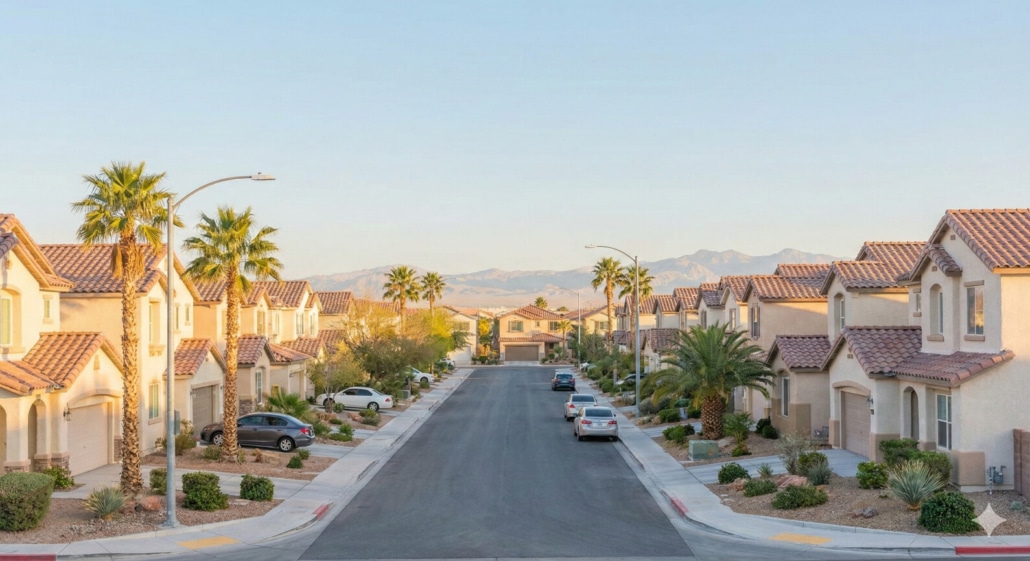
The Las Vegas rental market looks different from its pandemic peak. Single-family homes that commanded $2,200 monthly in 2023 now average $1,950 in many neighborhoods. Two-bedroom apartments range from $1,400 to $1,800 depending on location and amenities. Vacancy rates have climbed to 6-8% across the valley, up from 3-4% during peak demand.
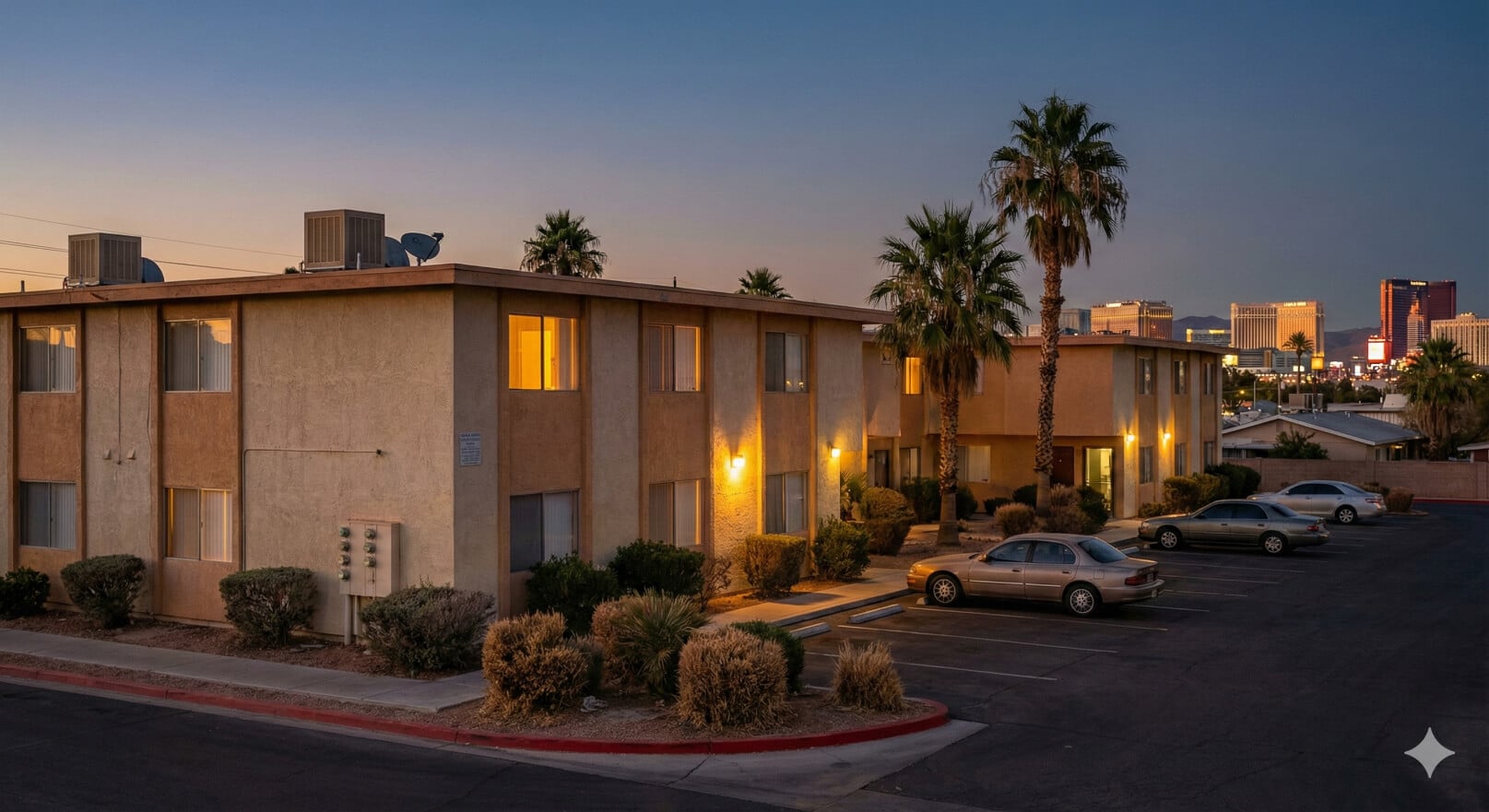
Different property types show uneven performance. Luxury rentals near Summerlin maintain stronger demand than older North Las Vegas properties, while UNLV-area rentals stay steady due to student housing needs. Compared to markets like Phoenix and Austin, Las Vegas offers relative affordability despite similar cooling trends.
Economic Drivers and Tenant Demographics
Employment growth continues across healthcare, technology, and professional services, though at a slower pace than previous years. Interest rates around 6-7% keep potential homebuyers in the rental market longer, creating opportunity for landlords offering quality properties.
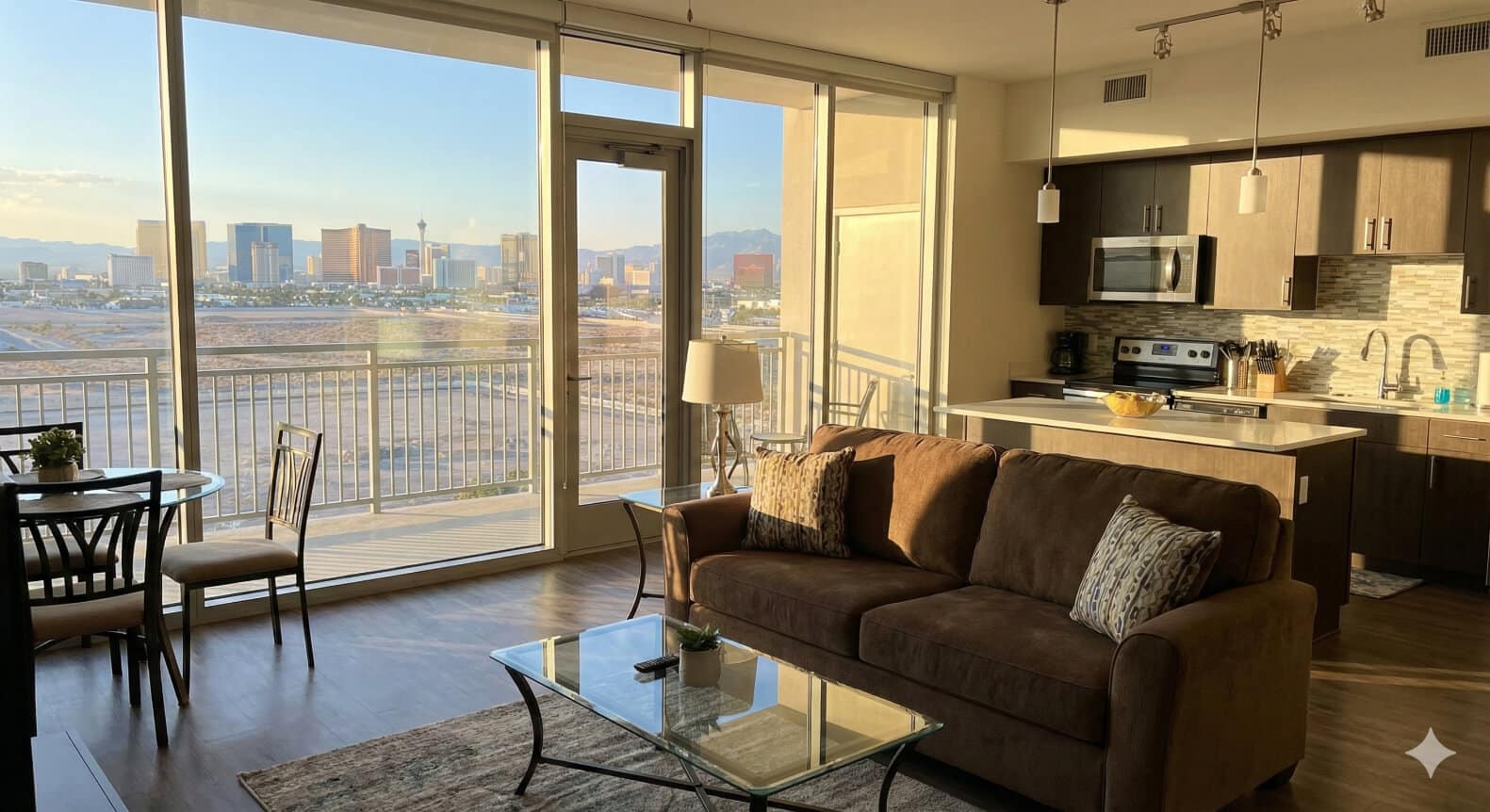
Today’s Las Vegas renters include young professionals seeking modern apartments with work-from-home setups, families relocating from high-cost states wanting single-family homes near good schools, and remote workers needing flexible lease terms and dedicated office space. Each segment values different features and represents distinct retention opportunities.
Key Challenges Facing Landlords
Declining rental prices force difficult financial decisions. Properties that worked at $2,200 monthly struggle at $1,900, especially with rising property taxes and insurance. New developments with modern amenities make older properties less competitive without updates.
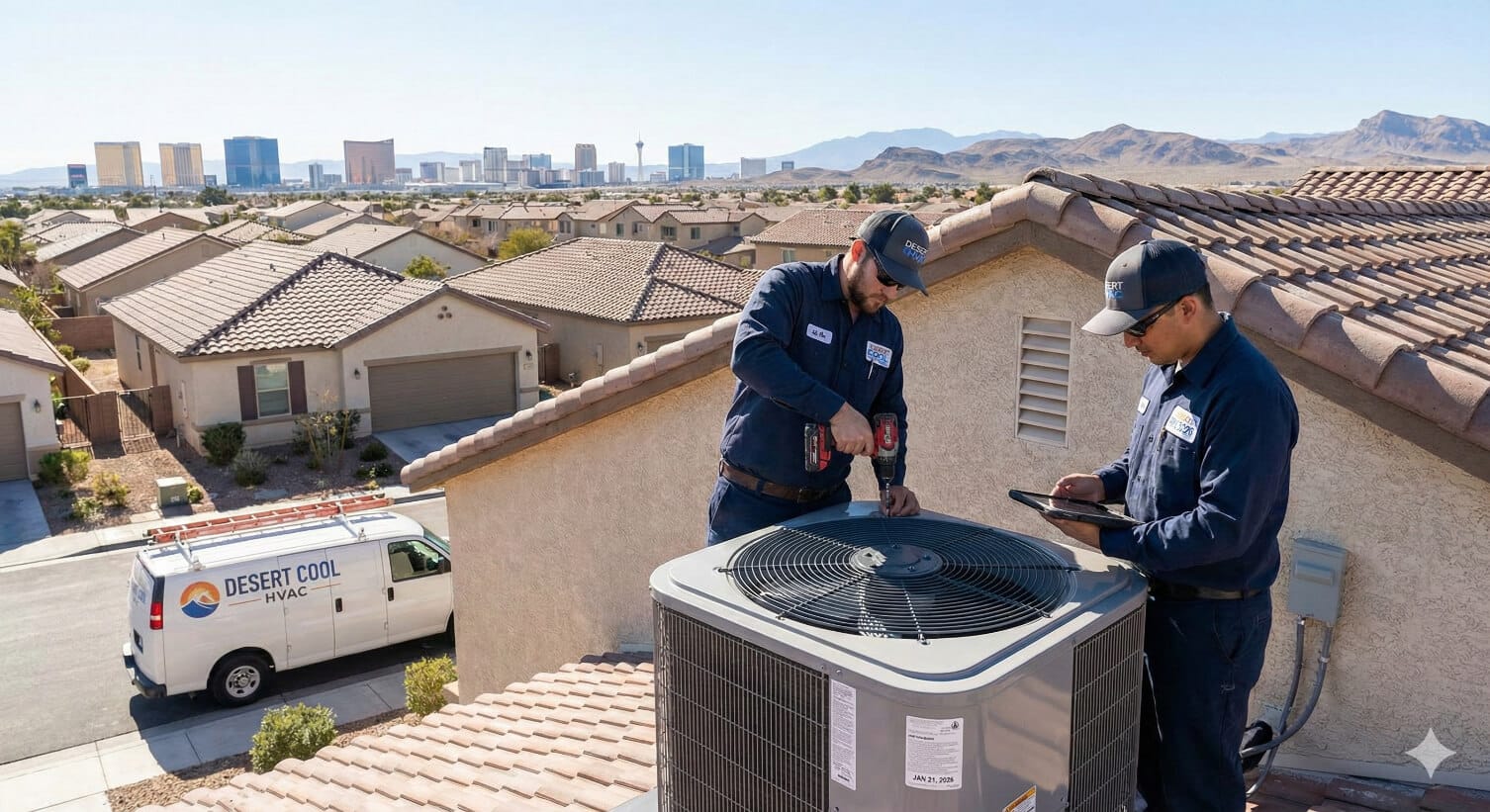
Operating costs compound the squeeze. HVAC maintenance in desert heat, climbing water costs, and significantly higher insurance rates don’t decline with rental income. HOA rules, local ordinances, and fair housing laws add compliance complexity.
Short-term rental platforms tempt landlords with higher rates, but Las Vegas regulations have tightened considerably. Many residential neighborhoods now prohibit rentals under 30 days, while permitted areas require specific licensing and strict operational compliance.
Tenant expectations have shifted toward responsive text/email communication, online rent payment, quick maintenance response, and properties meeting current standards. Meeting these expectations requires either more landlord time or professional property management.
Setting Competitive Rental Rates
Research Your Market
Start with properties within a half-mile that match your bedroom count, square footage, and condition. Properties built in the same decade provide better comparisons than mixing construction eras. Use Zillow and Rentometer for estimates, but recognize they sometimes lag real-time shifts. Local landlord Facebook groups share actual signed lease amounts that reveal true market conditions.
Neighborhood variations are substantial. Summerlin commands significantly more than North Las Vegas for identical properties. Henderson’s master-planned communities support premiums due to schools and amenities. Properties near the Strip face different dynamics with shorter lease terms and higher turnover.
Strategic Pricing Approaches
Spring and early summer see peak rental activity as families time moves around school calendars. Listing in December or January often means accepting lower rates or longer vacancies. The incentive versus rate reduction decision requires math—one month free on a 12-month lease reduces annual rent by 8.3%, sometimes matching a straight $100 monthly reduction with clearer renewal expectations.
Premium pricing works with genuine upgrades. New appliances, modern flooring, fresh paint, and updated fixtures justify $150-250 monthly premiums. Smart home features like keyless entry, smart thermostats, and security cameras increasingly command premium rates.
Avoid Pricing Mistakes
Overpricing costs more than patience suggests. Holding a rate $200 too high for three months loses $6,000—equivalent to four years of $125 monthly reductions. Conversely, panic-driven underpricing sets artificially low baselines that are difficult to correct. A property worth $1,800 rented at $1,600 attracts tenants quickly but sacrifices long-term revenue.
Calculate actual monthly costs—mortgage, insurance, taxes, maintenance reserve, management—and ensure rental income generates positive cash flow after these realities.
Attracting and Retaining Quality Tenants
Present Your Property Professionally
Desert landscaping should look intentional, not neglected. Fresh exterior paint, working lights, and clean walkways signal interior care. Professional photography ($150-300) creates images highlighting your property’s best features and typically shortens vacancies by weeks. Virtual tours have become expected—even simple smartphone walkthroughs help tenants narrow showing requests.
List on Zillow, Apartments.com, and Facebook Marketplace. Write lifestyle-focused descriptions: “Spacious three-bedroom with dedicated office space, perfect for remote workers. Open kitchen flows into living area—ideal for entertaining” rather than just “3 bed, 2 bath.”
Screen Thoroughly
Essential checks include credit reports, criminal history, eviction records, and employment verification. Nevada law allows denials based on poor credit, prior evictions, or relevant criminal convictions. Document screening criteria clearly and apply consistently. Red flags include frequent moves, employment gaps, prior evictions, and communication difficulties during screening.
Income should typically exceed 2.5-3 times monthly rent. Never discriminate based on protected classes—race, color, religion, sex, familial status, national origin, or disability.

Maximize Tenant Retention
Why Retention Matters
Finding new tenants costs $2,000-3,000 per turnover when accounting for marketing, vacancy, cleaning, repairs, and showing time. Long-term tenants take better care of properties, report small issues before they become expensive, and provide predictable cash flow.
Retention Strategies That Work
Responsive communication builds satisfaction more than anything else. Answer maintenance requests within 24 hours, even just acknowledging receipt. Text updates about scheduled contractors make tenants feel valued.
Smart upgrades don’t require massive investment. Smart thermostats, keyless entry, USB outlets, and video doorbells cost modest amounts but justify small rent increases while improving satisfaction. Contact tenants 90 days before lease expiration to discuss renewal with increases below market rate—perhaps $50 when comparables would justify $100.
Pet-friendly policies expand your tenant pool significantly. Many quality renters own pets and face limited options. Charge reasonable pet deposits ($200-500) and monthly pet rent ($25-50 per pet) to compensate for wear.
Property Management Essentials
Maintenance Best Practices
HVAC systems need twice-yearly servicing in Las Vegas’ climate. Spring and fall check-ups catch issues before $3,000 July emergency replacements. Establish 24-hour contractor relationships for after-hours emergencies. Handle simple repairs yourself but always use licensed professionals for electrical, gas, and structural work.
Reserve 1-2% of property value annually for maintenance. A $300,000 property needs $3,000-6,000 yearly for eventual roof, HVAC, or appliance replacements. This discipline prevents financial stress during emergencies.
Financial and Technology Management
Track all income and expenses monthly using separate bank accounts for rental operations. Property management software like Buildium, AppFolio, or TenantCloud ($50-100 monthly) handles rent collection, maintenance tracking, and communication efficiently for multiple properties.
Online rent collection eliminates check chasing and reduces late payments. Most systems charge 1-3% transaction fees—weigh administrative time savings against costs.
Tax deductions include mortgage interest, property taxes, insurance, repairs, maintenance, management fees, advertising, and depreciation. Nevada’s lack of state income tax simplifies calculations. Consult a rental property tax specialist to maximize benefits.
When to Hire Professional Management
Consider professional help when feeling overwhelmed by tenant communication, living far from properties, managing multiple units, or wanting passive income. Management typically costs 8-12% of monthly rent—$160-240 on a $2,000 property. If this eliminates 10-15 monthly hours while ensuring professional screening and maintenance coordination, the math often favors it.
Look for firms with local market knowledge, clear communication systems, established contractor networks, and transparent fees. Ask about tenant screening processes, average vacancy periods, and emergency handling. Check licensing with the Nevada Real Estate Division.
Adapting to Market Changes
Short-Term Rental Considerations
Short-term rentals can generate higher revenue but require intensive management with constant turnover, cleaning, and communication. Clark County requires business licenses, transient lodging tax collection, and compliance with zoning. Many HOAs prohibit rentals under 30 days. Violations bring fines and legal action.
Medium-term furnished rentals (30-90 days) offer a middle ground. Traveling professionals and temporary relocations create demand without extreme turnover or short-term rental restrictions, commanding premiums over unfurnished long-term leases.
Value-Add Improvements
Focus upgrades on visible impact. Kitchen updates with modern backsplashes, new hardware, and stainless appliances cost $3,000-5,000 but support $100-150 monthly premiums. Luxury vinyl plank flooring ($3-5 per square foot installed) dramatically improves appeal.
Sustainable features like LED lighting, low-flow fixtures, programmable thermostats, and desert landscaping reduce utility costs while attracting environmentally conscious tenants. Fresh interior paint in neutral colors ($2,000-3,000) and updated light fixtures completely transform appearance cost-effectively.
Legal Compliance and Risk Management
Nevada requires landlords to maintain habitable properties, return security deposits within 30 days with itemized deductions, and provide proper entry notice. Evictions for non-payment start with 5-day notices, followed by unlawful detainer filings if necessary. Never attempt self-help evictions—changing locks, removing possessions, or shutting off utilities violates law and creates significant liability.
Fair Housing Act compliance prohibits discrimination and extends to advertising language. Screen criteria must apply consistently with documented business justifications for denials.
Required disclosures include lead paint warnings (pre-1978 homes), mold disclosure, and known material defects. Review HOA CC&Rs carefully—some restrict rental percentages, require approval, or impose additional fees.
Landlord insurance provides liability protection, loss of rental income coverage, and protection against tenant damage. Require tenants to carry renter’s insurance naming you as additional interested party.
Long-Term Success Strategies
Build relationships with reliable contractors who respond quickly and provide honest assessments. Stay informed on market trends through local real estate news, landlord associations, and online communities. Network with other investors for insights you can’t gain alone.
Treat rental ownership as a business with professional boundaries, detailed records, and data-driven decisions. Properties purchased at sustainable prices with adequate reserves survive market downturns and benefit during recoveries.
Monitor cap rates, neighborhood trends, and your financial goals to identify optimal exit timing. Some properties work as long-term holds while others serve best as 5-7 year investments sold during market strength.

Conclusion
The Las Vegas rental market in 2026 requires thoughtful adaptation rather than maintaining previous approaches. Strategic pricing, valued property improvements, and relationship-building that encourages retention generate positive returns despite market softness.
Smart financial management, adequate reserves, and data-driven decisions matter more during corrections than boom times. Focus on tenant retention—keeping satisfied tenants costs far less than finding new ones.
View current challenges as positioning opportunities. Landlords who upgrade properties, build strong tenant relationships, and manage costs efficiently will emerge with competitive advantages. The Las Vegas Valley’s long-term growth remains positive despite short-term softness.
Ready to maximize your Las Vegas rental property’s potential? Contact RAM Group for professional property management and development services that help landlords navigate changing markets successfully. Call 702-363-4788 or email info@ramgrouplv.com.
Frequently Asked Questions
What are current rental rates in Las Vegas for 2026? Single-family homes typically range from $1,800-$2,200 monthly, while two-bedroom apartments average $1,400-$1,800. Premium areas like Summerlin and Henderson command higher rates, while North Las Vegas tends toward lower ranges.
How do I determine the right rent price for my Las Vegas property? Research similar properties within a half-mile matching your bedroom count, square footage, and condition. Use Zillow, Rentometer, and local landlord groups to gather data. Consider seasonal timing and current market conditions when finalizing prices.
What amenities do Las Vegas tenants value most? Central air conditioning, in-unit laundry, high-speed internet capability, dedicated parking, and smart home features like keyless entry rank highest. Outdoor space, modern appliances, and energy efficiency also matter significantly.
Should I allow pets in my Las Vegas rental property? Pet-friendly policies significantly expand your tenant pool. Charge reasonable pet deposits ($200-500) and monthly pet rent ($25-50) to compensate for additional wear while attracting responsible pet owners who maintain longer tenancies.
How can I reduce vacancy periods in the Las Vegas market? Price competitively, invest in professional photography, create compelling descriptions, and market across multiple platforms. Respond quickly to inquiries, offer flexible showings, and ensure good curb appeal and cleanliness.
What are the landlord-tenant laws in Nevada I need to know? Nevada requires maintaining habitable properties, returning security deposits within 30 days with itemizations, providing proper entry notice, and following specific eviction procedures. Familiarize yourself with NRS Chapter 118A governing residential relationships.
Is it better to rent long-term or short-term in Las Vegas? Long-term rentals provide stable income with less management work. Most residential neighborhoods prohibit short-term rentals under 30 days. Consider medium-term furnished rentals (30-90 days) as a potential middle ground if regulations permit.
How much should I budget for property maintenance in Las Vegas? Budget 1-2% of property value annually. A $300,000 property needs $3,000-6,000 yearly for routine maintenance, emergency repairs, and eventual major replacements. Las Vegas’ extreme climate particularly stresses cooling systems requiring regular HVAC maintenance.
What tax deductions are available for Las Vegas landlords? Deduct mortgage interest, property taxes, insurance, repairs, maintenance, management fees, advertising, utilities you pay, and depreciation. Nevada’s lack of state income tax simplifies calculations. Consult a rental property tax specialist.
When should I hire a property management company in Las Vegas? Consider professional management when overwhelmed by tenant communication, living far from properties, managing multiple units, or wanting passive income. Professional management typically costs 8-12% of monthly rent but eliminates daily tasks.
How do I handle difficult tenants legally in Nevada? Document all interactions, communicate in writing, and follow Nevada’s legal procedures precisely. For non-payment, issue 5-day notices, then file unlawful detainer if necessary. Never attempt self-help evictions—always follow legal channels.
What neighborhoods in Las Vegas have the strongest rental demand? Henderson and Summerlin maintain strong demand due to schools and amenities. Areas near UNLV show consistent student demand. Downtown attracts young professionals. Southwest valley near the 215 offers good demand with newer housing. Each serves different demographics and price points.


