
Commercial Design Ideas That Enhance Property Value and Tenant Experience
Commercial design is important because it’s what makes a property feel modern and welcoming. When design is done well, it raises property value while giving tenants a better everyday experience.
Not only do these spaces look good, but they also support the needs of people who work or visit there.
In this article, you’ll find ideas that help to increase long-term value, create comfort for tenants and make commercial properties stand out. Each design idea supports both the financial side of ownership and the human aspect of how people use a space.
The Role of Commercial Design in Property Value
One thing for sure is that appearance alone doesn’t sell a building. More recently, tenants care about how a space functions just as much as its curb appeal. When a property has both an attractive design and strong usability, it sees higher retention, lower operating costs and a steady rise in property value.
These days, tenants are after work environments that improve productivity and offer convenience throughout the day. They want spaces that ensure their teams work better, revealing that commercial design plays a bigger role in shaping demand and setting rental rates than landlords may initially think.
Design Ideas That Increase Property Value
Sustainable and Eco-Friendly Features
It’s worthwhile upgrading lighting to LED systems, installing efficient HVAC equipment and adding smart controls to give owners more insight into daily operations while cutting utility costs. These changes might look small at first, but they add up to create healthier and more comfortable work environments.
Green certifications like LEED and WELL tell potential tenants that the property meets higher standards. Many companies purposely choose certified commercial properties because they support better health and environmental responsibilities. This then helps boost property value and improves the reputation of the building in a competitive market.
Flexible Workspaces
In case you haven’t noticed, work lifestyles are constantly changing, and because of this, it’s important to have adaptable layouts. When a space includes open-plan layouts, movable walls, co-working areas and adaptable meeting rooms, tenants can adjust their space to ensure their needs are always met.
Startups appreciate these flexible layouts because they often grow quickly. Enterprise companies like them too because hybrid work schedules are still on the rise and shape when and how people complete their work. A building that can change without a full remodel becomes far more appealing and naturally increases its property value.
High-Quality Finishes and Materials
A simple walk across the floor or hand on a rail can change someone’s first impression of a property. It needs to have durable flooring, solid doors, modern fixtures and long-lasting surfaces to avoid refurbishment costs and, more importantly, to meet health and safety standards.
These touches also cut maintenance calls and repairs, which lowers overall costs for property owners.
When tenants feel confident in the space they occupy, they are more likely to stay long-term, giving the owner more stability and elevating the perceived value.
Smart Technology Integration
Did you know that access control systems, digital directories, IoT devices and tenant apps make it easier for everyone to manage their daily routines?
It’s become apparent that smart tech also enhances security, which means it’s one of the most important features tenants look for. With modern building management systems, owners can monitor energy use, helping tenants to become more environmentally friendly and economically manage their utility bills.
These tech upgrades modernize the property and appeal to tenants who need convenience and efficiency in their workspace.
Enhancing the Tenant Experience
Amenities That Add Value
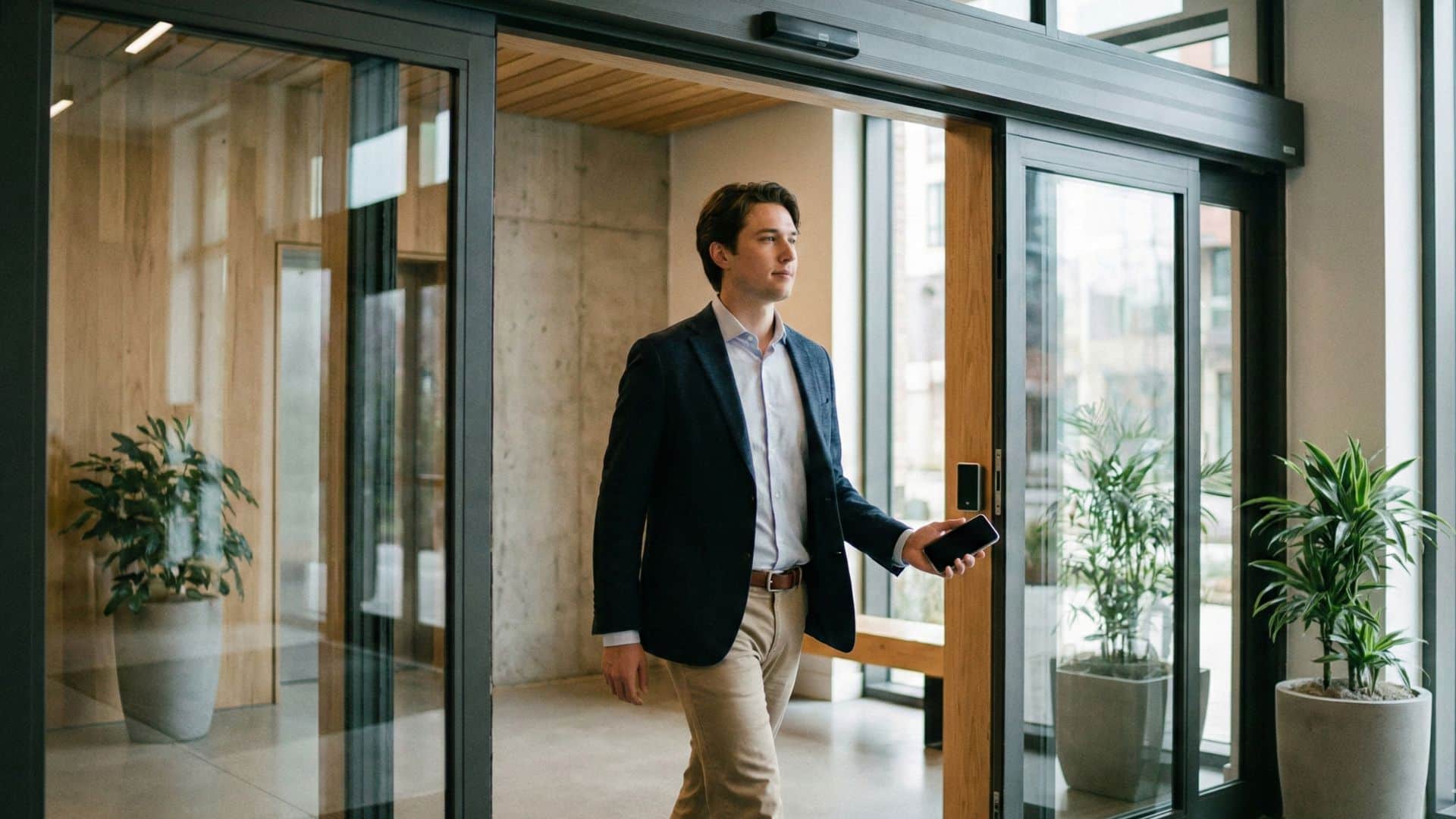
Sometimes, small additions can change how people feel about a property. For example, a well-equipped fitness center, spacious lounge, wellness room or outdoor seating area gives tenants places to decompress or simply enjoy a peaceful lunch. They add a lifestyle component to commercial properties, helping to differentiate the building from others nearby and improve tenant retention.
Thoughtful Common Areas
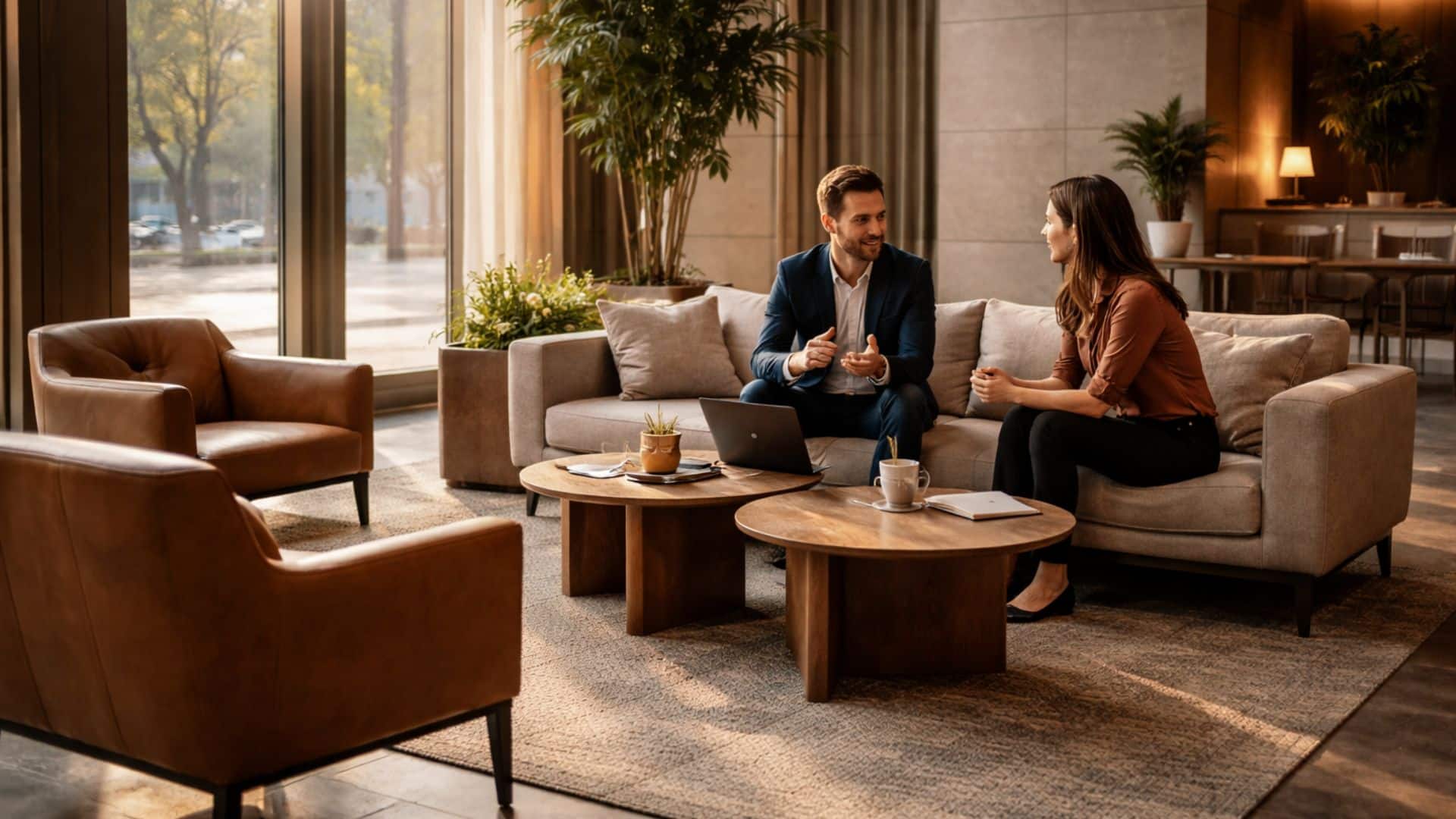
Common areas are often the first spaces tenants and visitors notice. A warm, well-designed lobby can give the building a welcoming personality, making tenants instantly feel at home when they walk inside. Along with this, collaborative lounges give employees a place to gather and interact, creating a sense of flow and creativity.
A workplace needs areas to build community and make employees feel comfortable in their daily environment. This might include fitness centers, wellness rooms and green spaces. When common areas offer good lighting and places to sit and connect, it’s a matter of fact that it strengthens tenant experience and improves the overall property value.
Accessibility and Inclusivity
Commercial property owners now understand how important it is to create spaces that everyone can use comfortably. ADA-compliant pathways, ramps, signage and restrooms ensure the building is accessible for people with different needs.
Universal design takes this further by offering features that help all users move around the property with ease. An inclusive design is legally important and widens your tenant pool as it shows a commitment to other people’s well-being. It’s a fact that the property becomes more functional by catering to everyone’s needs.
Natural Light and Biophilic Design
It’s no secret that spaces which feel bright and connected to nature often improve mood and productivity. Natural light that comes through larger windows, skylights or glass walls creates a much more positive environment.
Biophilic design can include indoor plants, natural wood, stones or water features. These elements soften the commercial feel and give tenants a calm atmosphere to work in. Research shows that exposure to nature reduces stress, which makes people more satisfied with their workspace.
Balancing Design Trends With Long-Term Value
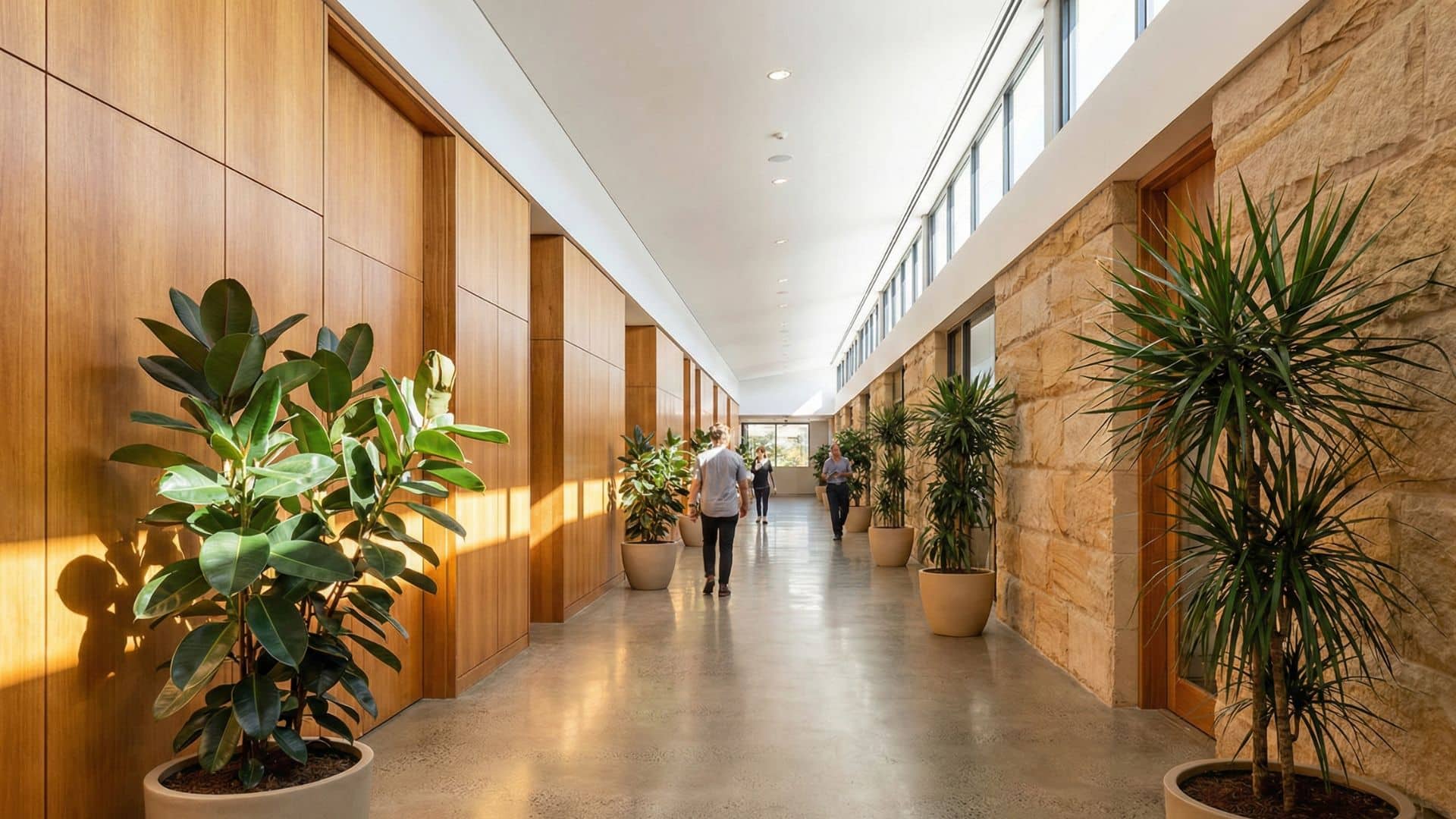
It can be tempting to jump into every new trend, but as we all know, styles fade quickly and can make a building feel dated. Owners who focus on timeless design, such as clean lines, durable materials and neutral palettes, stop the cycle of constant updates.
Owners need to think about blending classic elements with modern touches to offer the best of both worlds. This approach keeps the property fresh without requiring expensive remodels at a later date. A timeless design ensures strong long-term value, while modern features keep tenants excited about their environment.
Case Studies / Examples
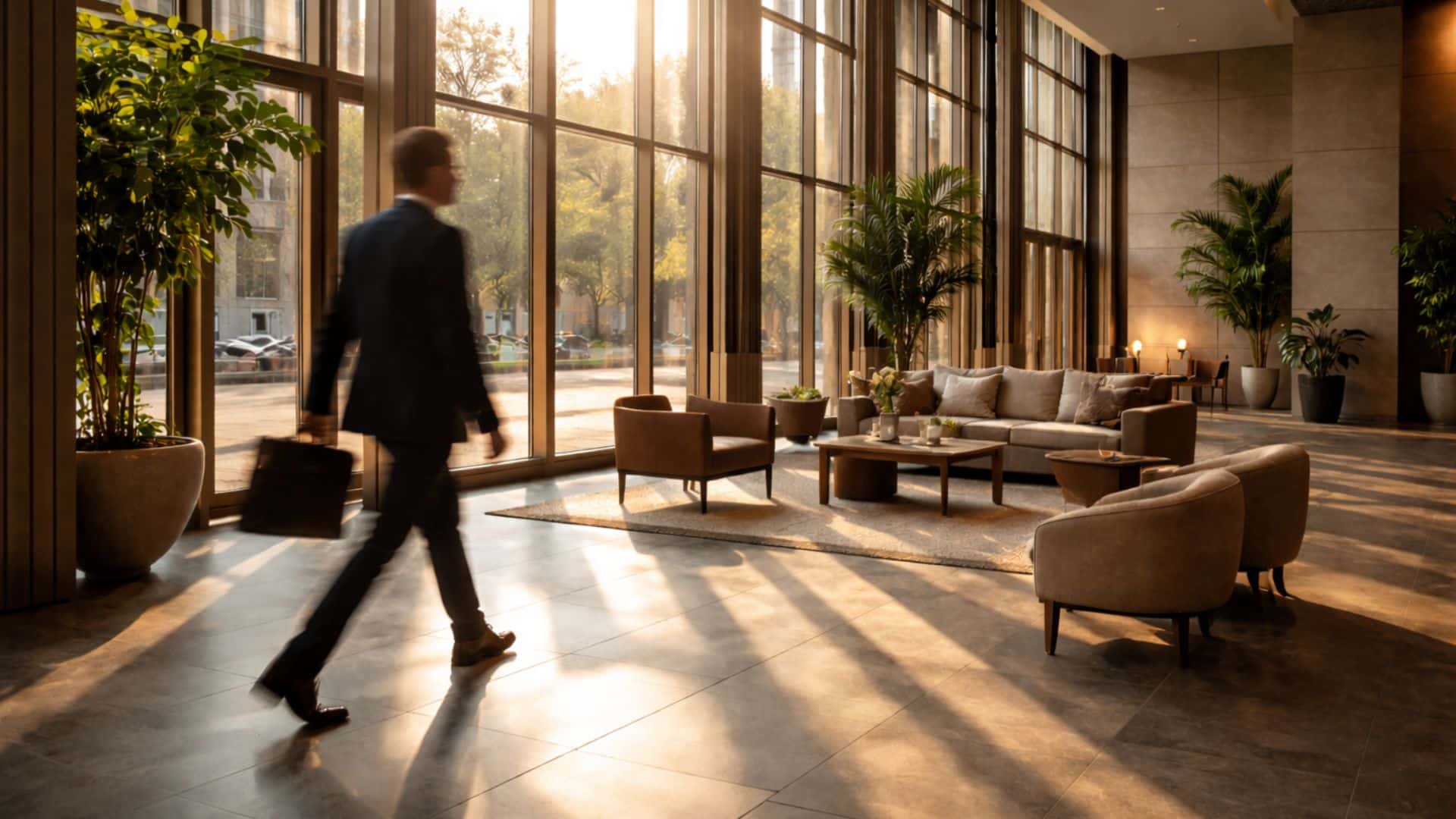
One example that stands out involves a mid-sized office building that redesigned its lobby. It replaced older lighting with energy-efficient LEDs and added a secure digital access system. The building saw higher foot traffic and a noticeable rise in tenant satisfaction. Within a year, rental rates increased because demand for the property grew.
Another commercial property took the time to add outdoor seating, improve their walkways and upgrade common areas with comfortable furniture and plants. Tenants appreciated the new places to relax, meet with colleagues and take breaks. Because of this, these upgrades improved retention.
Conclusion
Smart commercial design plays a major role in how people use a building. When the owner offers a comfortable space that has flexibility, sustainability and a timeless style, they attract better tenants and hold higher property value. Those who invest in thoughtful upgrades will no doubt see a lower turnover and longer-lasting financial returns.
If you’re thinking about improving your commercial properties, then speak with a professional designer or architect who specializes in strategic upgrades. You can contact us today at 702-363-4788 or info@ramgrouplv.com.
FAQ’s
How does commercial design impact property value?
Good design improves efficiency, comfort and daily usability, all of which raise property value.
What design features attract tenants the most?
As a rule of thumb, amenities, flexible layouts, natural light and modern tech tend to draw the most interest.
Why is sustainability important in commercial property design?
It lowers costs, supports wellness and appeals to companies looking for eco-conscious spaces.
How can design improve the tenant experience?
There are many ways design can improve tenant experience. The most common are thoughtful layouts, inviting common areas and smart technology, making everyday tasks easier and more enjoyable.
Should I follow design trends or invest in timeless features?
Timeless features protect long-term value, while trends should be used carefully and sparingly.
What role does technology play in modern commercial design?
Technology helps in many ways, for example, tech boosts security, improves communication and streamlines property management.
How can a flexible design benefit property owners?
It allows easy reconfiguration for different tenants, which reduces downtime and increases leasing options.
Do amenities really increase tenant retention?
Yes, they do. Amenities create comfort and community, which makes tenants more likely to renew leases.
What is biophilic design, and why is it important?
It uses natural elements to improve mood, reduce stress and support healthier environments.
How do common areas influence tenant experience?
They shape first impressions, build community and give people welcoming places to work or relax.


