

The Essential Role of Construction Management in Property Success
Every real estate project, big or small, has one thing in common: it needs the right oversight to succeed. The property development process usually starts with finding the right site and securing financing, then moves into construction planning. Once building begins, quality checks and budgeting all play critical roles, and finally, the project is handed over for its intended use.
Many people don’t realize how complex it actually is, and that’s where construction management steps in. It makes sure plans and schedules line up, so a building always gets finished on time.
Studies in the U.S. show that projects without solid management often run over budget and face delays, while those with proper oversight stay on track and add property value.
Understanding Construction Management

Where most people view it as the coordination and supervision of a project from start to finish, construction management is actually so much more.
The manager’s job involves activities such as handling budgets and solving problems before they spiral. You’ll normally find that projects move through a cycle of planning, design, procurement, execution and closure. However, there are also different approaches, like traditional management or ‘CM at-risk,’ where managers take on more responsibility.
Planning and Budgeting
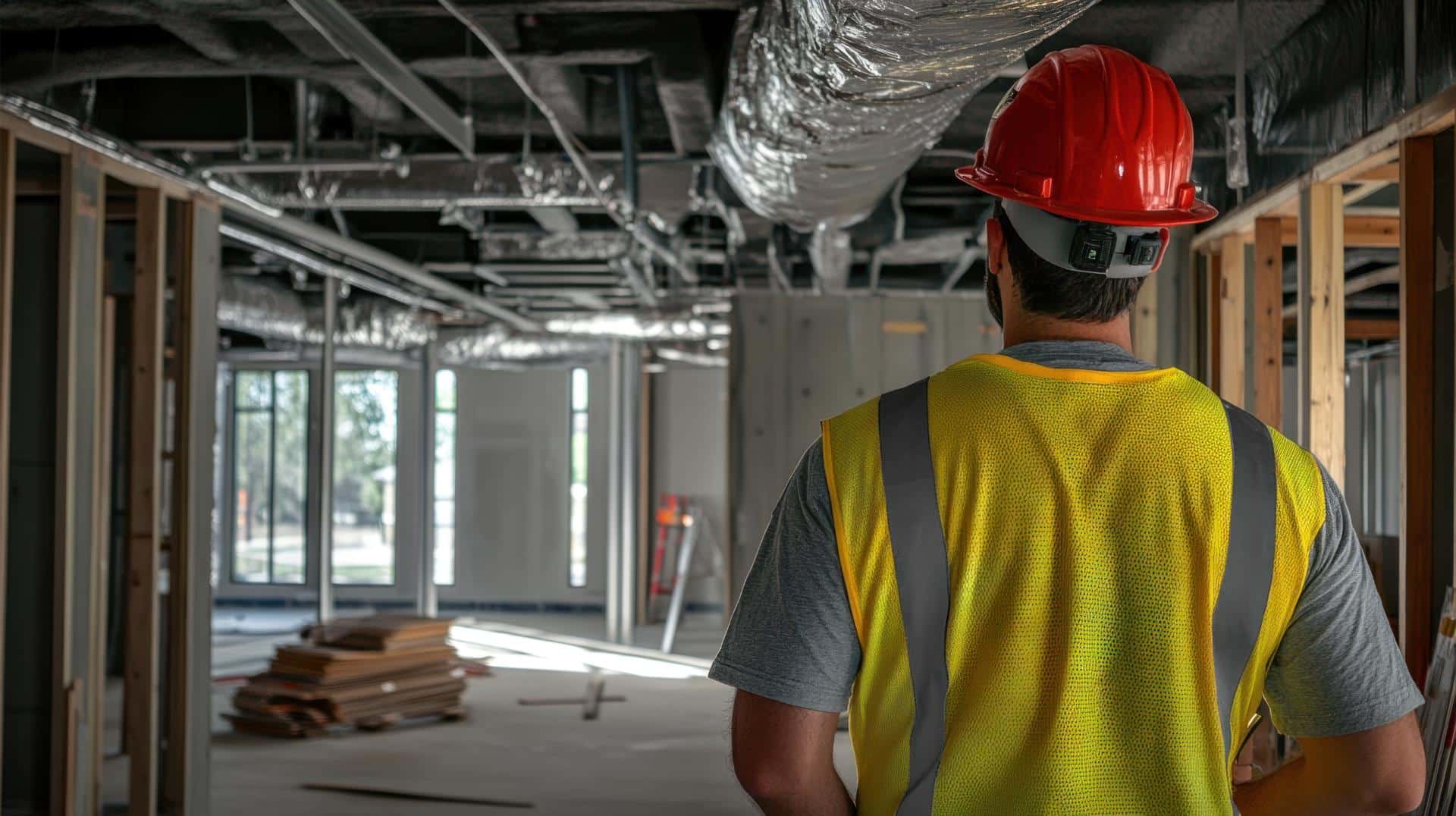
When it comes to the first stages of property development, upfront construction planning plays a large role in controlling costs and shaping expectations. A detailed budget helps prevent surprises, but it’s also common for managers to set aside contingency funds for the unexpected.
As you can imagine, timelines are just as important because delays can drain both money and trust. The manager is the person who balances these, making sure schedules are realistic and resources are always available. Think about a residential complex that’s expected to house families within 18 months. If the planning team overlooks soil testing or utility access, that one mistake could add months of delay and thousands of extra costs.
By investing in detailed planning at the start, a project not only stays on budget but also avoids legal battles or frustrated buyers later. That’s why most experienced developers will tell you that the planning stage is just as important as the construction site.
Quality Control and Risk Management
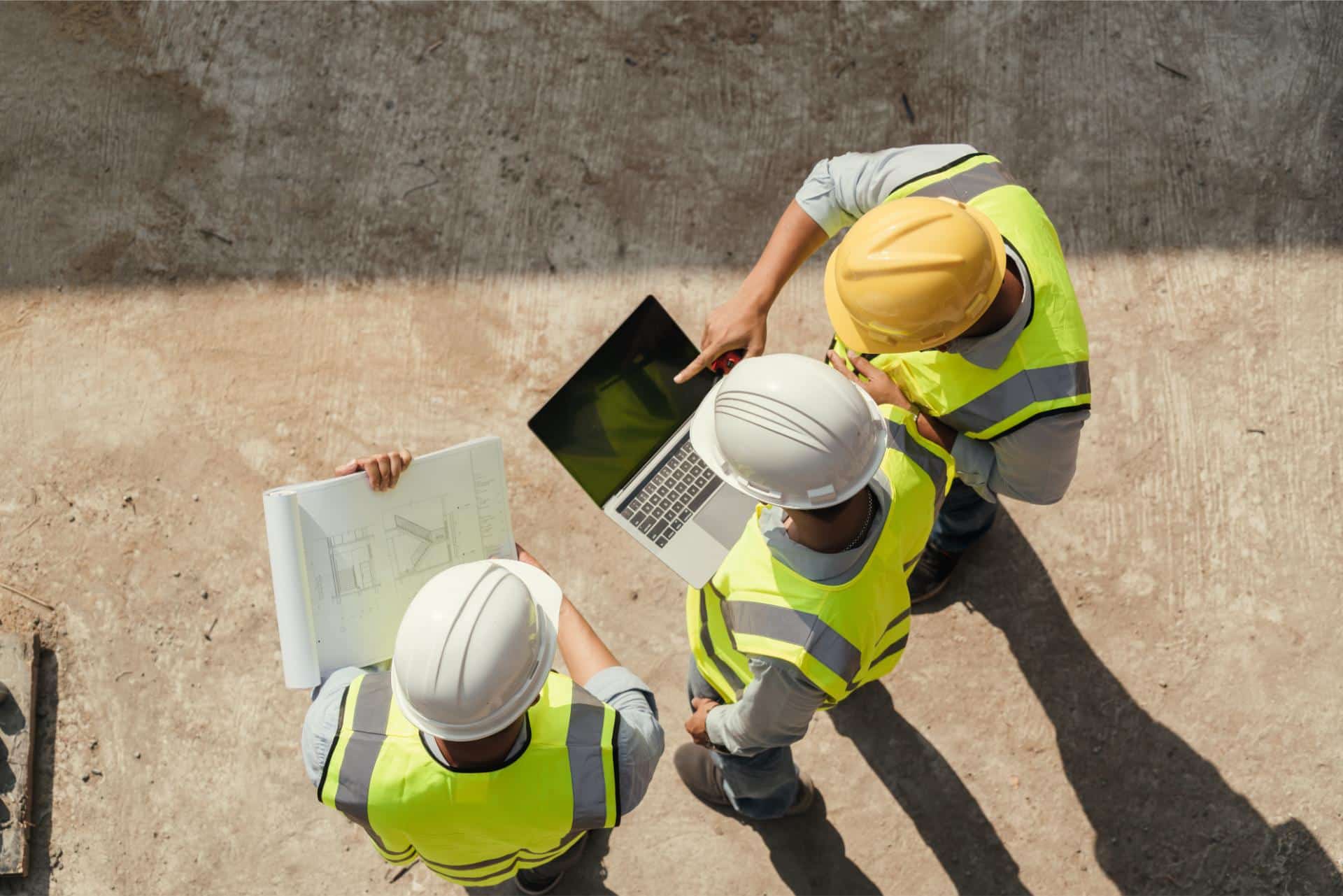
To keep a project up to standard, a good manager sets strict guidelines for construction quality, ensuring materials and methods meet code. Risks come in many forms, such as financial, legal, and operational, but a skilled construction manager anticipates any problems before they cause damage.
There are also regulations that can’t be ignored, such as safety standards or local zoning requirements. Without someone making sure these are met, a project can get hit with costly fines or even be shut down.
There are plenty of success stories where strong management prevented costly mistakes. One case showed how a commercial project avoided a $3 million setback simply because the construction management team spotted a design flaw early and made adjustments.
Communication and Coordination
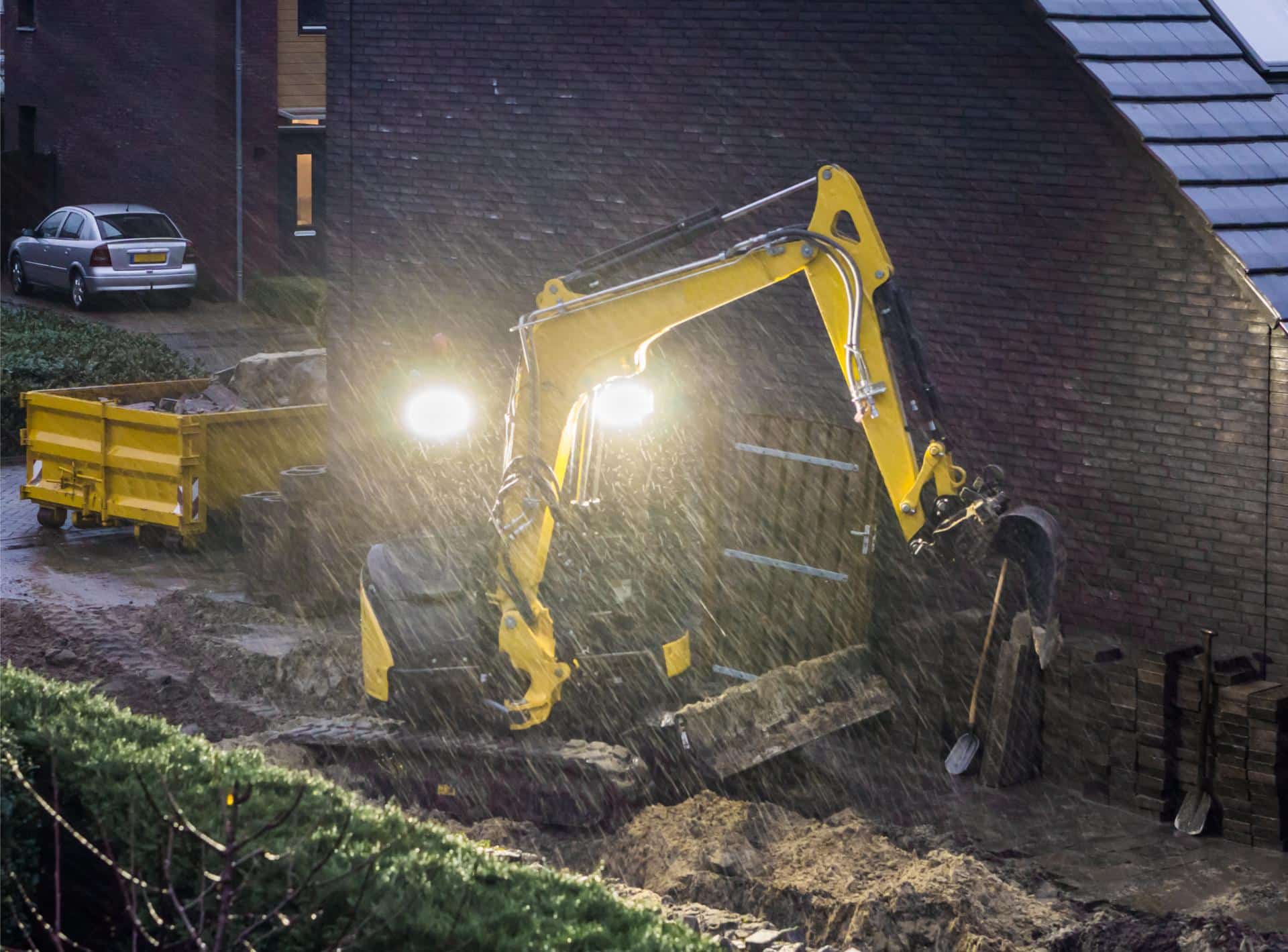
Behind every successful project is constant communication. Architects, engineers, contractors and property owners all have their own goals, and sometimes this can lead to miscommunication.
That’s why construction management focuses heavily on coordination. Clear channels cut down on misunderstandings by using tools like project management software to help keep everyone updated in real time.
These systems allow managers to track progress and share documents, so even complex jobs can run smoothly. For example, a manager may use cloud-based tools to update architects about material shortages, which then gives them a chance to quickly update their designs. Without this coordination, deadlines may need to be extended, and trust between stakeholders breaks down.
Enhancing Property Value
Few people can connect the dots between construction management and property value, but a well-managed build lasts longer and holds a stronger market appeal.
Resource management plays into this as well, as using sustainable materials or efficient designs can increase long-term savings while also appealing to buyers who want eco-friendly features.
A manager who ensures high construction quality during the build impacts how the property will age. Think about the difference between a building that uses cheaper materials versus one with durable finishes and energy-efficient systems. The first might need major repairs in five years, while the second can stand tall for decades with minimal upkeep.
For anyone involved in property management, a well-built project means lower operating costs and more satisfied tenants. Simply put, effective construction management builds lasting value far beyond the ribbon-cutting ceremony.
Challenges in Construction Management
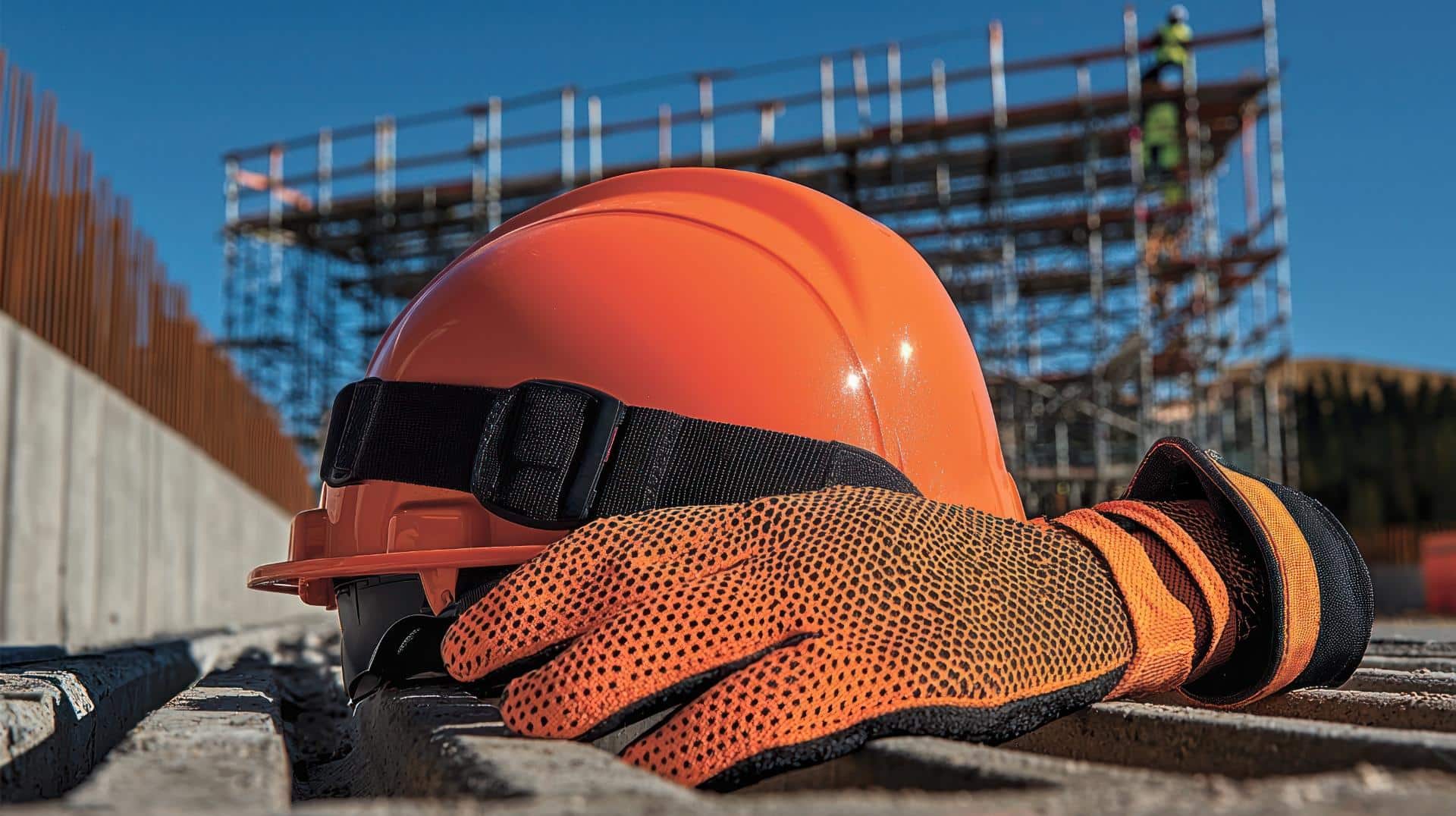
Not every project is smooth sailing, and anyone who’s been involved in building knows that. Delays, cost overruns and even disputes between parties can appear at any stage. Experienced managers always plan for these issues. Strategies like scheduling buffers, transparent contracts and strong communication cut down on risk.
Weather is a common but unpredictable factor in construction, and a heavy storm season can delay outdoor work for weeks. Most managers would have built in extra time and planned backup tasks to keep crews productive and avoid panic. Having someone with experience matters because they’ve seen the same problems before and know how to fix them.
A seasoned manager turns potential roadblocks into manageable tasks, which is why property developers view hiring them as one of the smartest investments they can make.
Conclusion
At the end of the day, construction management is the backbone of property success. It ties together design, planning, budgeting and quality into a single organized process that brings real results. The future of the field is leaning even more on technology, with tools like AI-driven scheduling and advanced project tracking becoming common.
For property owners and investors, the message is clear: if you want a development to meet deadlines and increase value, you need skilled management. Simply put, investing in professional construction management is one of the best ways to guarantee your property succeeds.
FAQs
What is construction management and why is it important for property success?
It’s the process of planning, supervising and coordinating a project. Without it, delays and cost overruns can harm property value.
How does construction management help control project costs?
Managers create detailed budgets and set aside contingency funds to avoid unexpected financial stress.
What role does risk management play in construction management?
It helps identify potential issues early, like safety hazards or design flaws, so problems can be solved before they grow.
How does construction management enhance property value?
By ensuring construction quality and smart planning, it improves durability, aesthetics and resale potential. It also supports property management teams with fewer maintenance issues and higher tenant satisfaction.
What challenges do construction managers face, and how can they overcome them?
Disputes and overruns are common, but experienced managers use problem-solving strategies to handle them.
What are the key phases of construction management in property development?
Projects usually move through planning, design, procurement, execution and closure, each requiring strong oversight.
How does a construction manager coordinate with stakeholders?
They act as the central communicator between architects, engineers, contractors and owners, making sure goals align.
Can construction management impact the sustainability of a property?
Yes, managers can choose eco-friendly designs and materials that reduce costs and appeal to buyers who want greener buildings.
What tools or technologies support effective construction management?
Software for scheduling, task tracking and document sharing keeps projects running smoothly and improves communication.
How do construction management practices prevent project delays?
They rely on upfront construction planning and constant coordination to keep timelines realistic and achievable.


